Heating & Air Conditioning in Congress, AZ
For heating and air conditioning help in Congress, Perfect Temp Heating & Air Conditioning is a direct local call away. Mobile technicians come to you for repairs, installs, and maintenance — from thermostats to full system replacements.
Ductless mini-splits
Single and multi-zone systems for additions, garages, and rooms that never cool right.
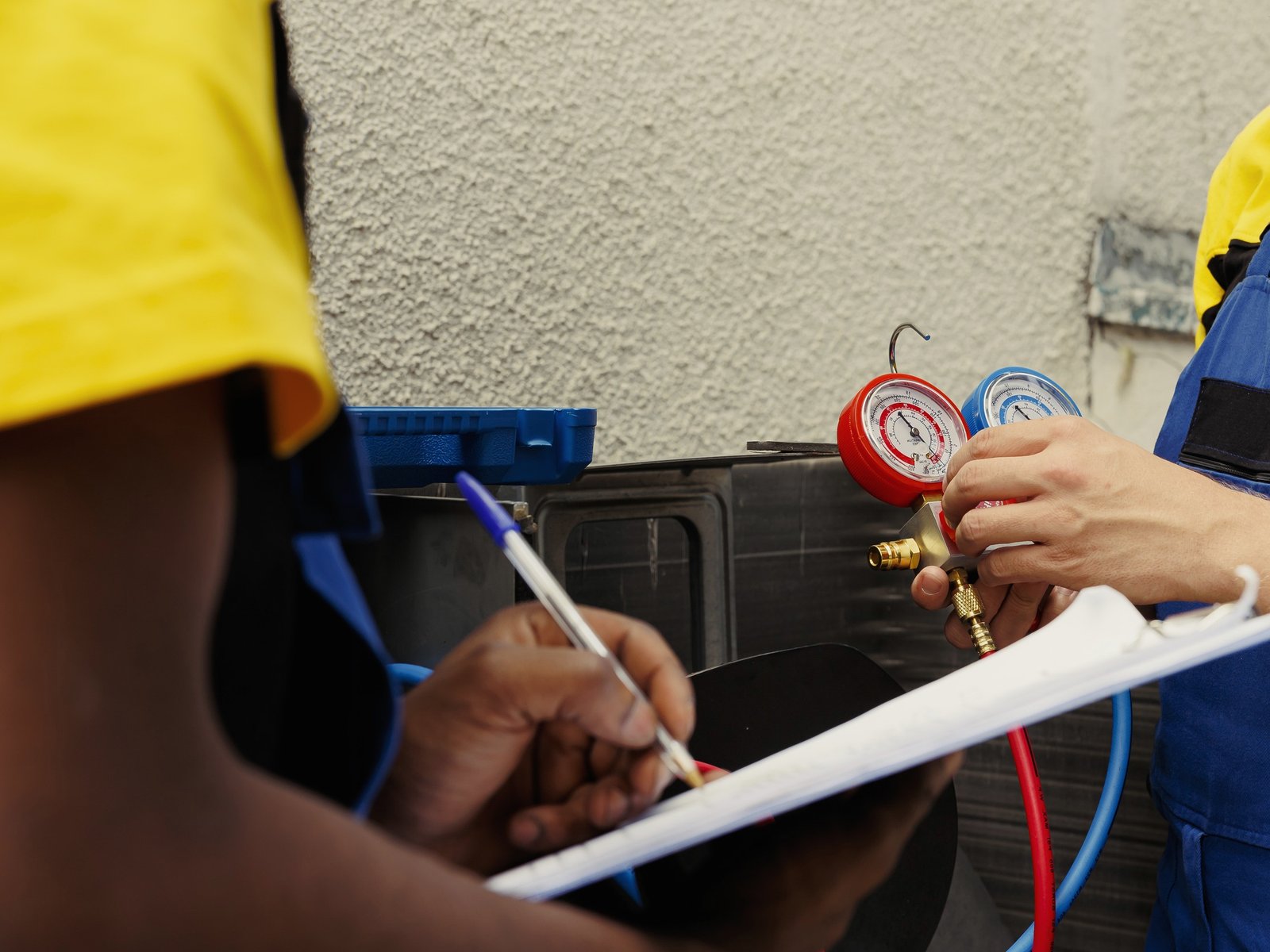
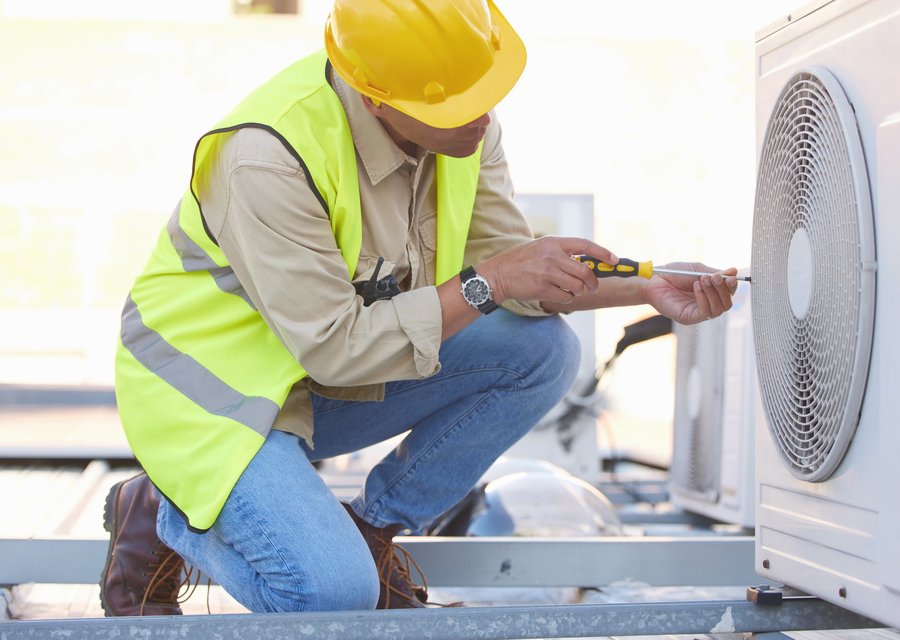
AC repair
Diagnosis and repair of central air systems — warm air, weak airflow, refrigerant leaks, and electrical faults.
Seasonal tune-ups
Preventive maintenance that keeps efficiency high and catches cheap fixes early.
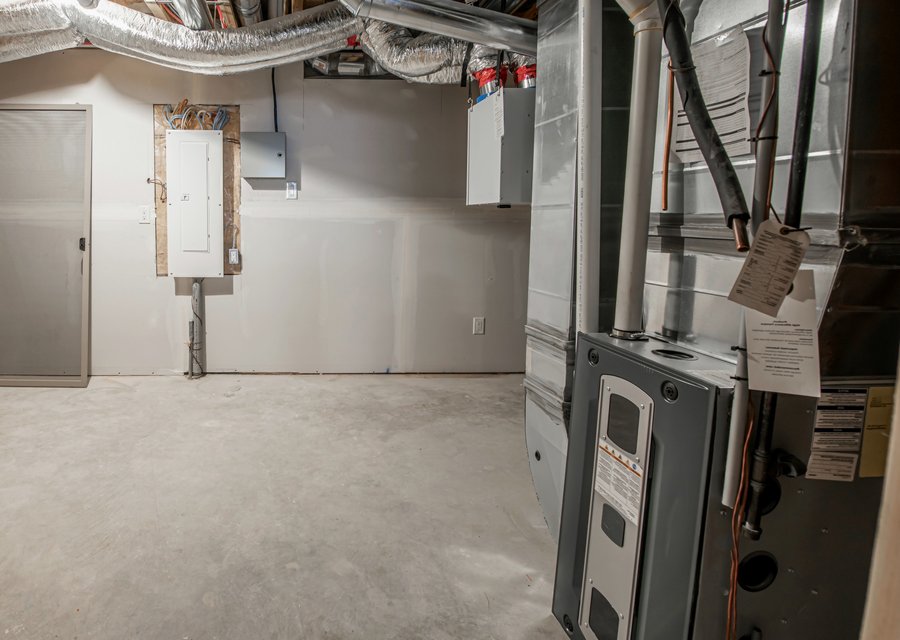
Furnace repair
Ignition failures, flame sensors, blower motors, and no-heat emergencies on gas and electric furnaces.
Thermostat installation
Smart and programmable thermostat wiring, setup, and configuration.
AC installation & replacement
Properly sized new systems with load calculations, from value units to high-SEER equipment.
Heating & Cooling in Congress, Arizona
Desert heat is the defining challenge around Congress — triple-digit summer stretches keep condensers running at their limits, and fine dust storms clog filters and coils faster than almost anywhere in the country. Properly sized, well-maintained cooling is not a luxury in this climate; it is essential equipment. Local providers like Perfect Temp Heating & Air Conditioning understand these conditions and service equipment accordingly.
Common HVAC Problems in Congress
Water around the indoor unit
Pooling water typically means a clogged condensate drain line. Caught early it is a quick fix; ignored, it can damage floors, drywall, and the air handler itself.
Frozen evaporator coil
Ice on the indoor coil chokes cooling entirely. Restricted airflow or low refrigerant are the usual causes, and running the unit while frozen risks compressor damage.
Rising energy bills
A gradual creep in utility costs with no change in habits is one of the clearest signs a heating or cooling system is losing efficiency and due for a tune-up.
Strange noises at startup
Grinding, squealing, or banging at startup often signals worn bearings, a loose blower wheel, or delayed furnace ignition — all worth addressing before they become breakdowns.
Why Choose a Local Arizona Company
Established local providers stand behind their work long after the invoice is paid. Same-area service means faster response when the weather turns and equipment fails at the worst moment. Local technicians know the housing stock — from older homes with aging ductwork to new builds with high-efficiency systems.
Seasonal Tips for Arizona Homes
- Check window and door seals — in extreme heat, every leak forces the system to fight the desert.
- Consider a whole-home humidifier for winter — very dry indoor air feels colder and drives up thermostat settings.
- At elevation, have combustion appliances tuned for altitude so they burn cleanly and efficiently.
- Hose down the outdoor coil monthly during dust season; a caked condenser works dramatically harder.
Frequently Asked Questions
How long does an air conditioner last?
A well-maintained central air conditioner typically lasts 12–17 years. Systems that run long seasons or skip maintenance wear out sooner, while regular tune-ups and prompt repairs stretch lifespan toward the upper end.
Is emergency HVAC service available?
Many local providers, including Perfect Temp Heating & Air Conditioning, take urgent calls — a failed furnace in winter or dead AC in a heat wave should not wait. Call (928) 588-3075 to check availability.
Should I repair or replace my system?
A common rule: if the unit is past 12 years old and the repair costs more than a third of replacement, replacement usually wins. A technician can weigh age, efficiency, refrigerant type, and repair history for your specific unit.
How can I lower my heating and cooling bills?
Regular maintenance, fresh filters, a programmable thermostat, sealed ducts, and sensible temperature setbacks together typically trim 10–25% off energy use without sacrificing comfort.
What size HVAC system does my home need?
Sizing depends on square footage, insulation, windows, ceiling height, and local climate — not guesswork. An oversized unit short-cycles and an undersized one never keeps up, so a proper load calculation matters.
Recent Work